
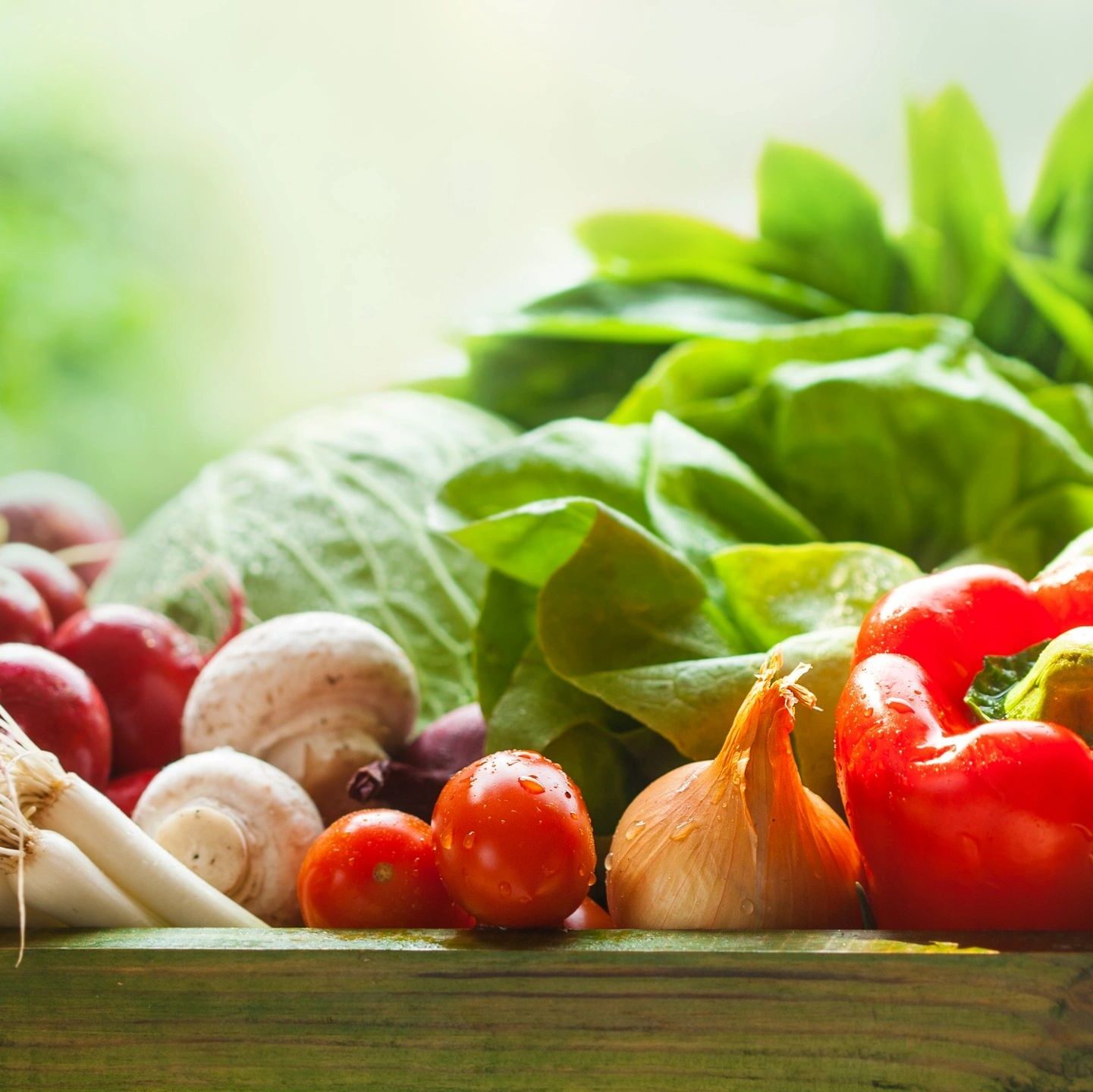
Because Habits Start Early—and Last a Lifetime Let’s be honest: we all know healthy eating and regular exercise are essential. However, here’s the truth: many parents forget that these habits must be taught early. Children don’t automatically know how to make good food choices or how to enjoy physical activity. If we don’t guide them, they grow up thinking fast food is normal and that exercise is punishment instead of joy. And here’s the kicker: the habits we teach in childhood are the ones most likely to stick.
Why Early Matters
Research confirms what parents have long suspected: early lifestyle habits significantly influence long-term health outcomes.
- A 2019 study in The Lancet Child & Adolescent Health found that children with healthier diets and consistent physical activity patterns by age 12 had lower risks of obesity and cardiovascular issues in adulthood.
- Another study published in Pediatrics showed that children who engage in daily physical activity demonstrate improved mood, better academic performance, and reduced symptoms of anxiety.
In other words, good food and regular movement don’t just prevent disease. They shape brains, emotions, and futures.
Teaching Healthy Eating
Healthy eating isn’t about calorie counts or fad diets. It’s about cultivating a relationship with food.
- Cook Together. Let your kids wash veggies, stir soup, or pick spices. When children help prepare meals, they’re more likely to eat them.
- Talk About Colors. Make it a game: “How many colors are on your plate today?” Bright, varied foods typically indicate a balanced diet.
- Teach Moderation, Not Fear. Yes, ice cream is allowed. But explain the difference between everyday foods and sometimes foods.
Children who grow up around balanced meals and calm conversations about food develop healthier eating patterns for life.
Teaching Exercise
Exercise doesn’t need to be framed as “working out.” For kids, it should mean play, movement, and joy.
- Family Walks. A 20-minute walk after dinner teaches more than just digestion—it models consistency.
- Play Sports for Fun. Not every child needs to be an athlete. But every child needs to learn how to move, sweat, and laugh with others.
- Celebrate Movement. Dance in the kitchen. Race to the mailbox. Let them climb, tumble, and explore.
The point is not performance—it’s participation. When kids associate movement with joy, they carry that joy into adulthood.
The Ripple Effect
Teaching children healthy habits early creates ripple effects far beyond the body.
- It builds discipline.
- It strengthens confidence.
- It reduces anxiety and depression.
- It fosters self-respect.
And perhaps most importantly—it shows them that their bodies are gifts to be cared for, not burdens to be ignored.
🌟 Your Turn: Plant the Seeds Today
This week, pick one small, simple action to introduce in your home:
🍎 Add one extra fruit or veggie to each meal.
🚶♂️ Take a family walk after dinner.
🥕 Let your child choose a healthy recipe and cook it together.
These may seem like small things—but small things done daily grow into lifelong habits.
👉 Want more practical tools for teaching resilience, gratitude, life skills, and health to your children? Preorder my book Be Useful today and start raising grounded, confident kids who thrive in body and mind.